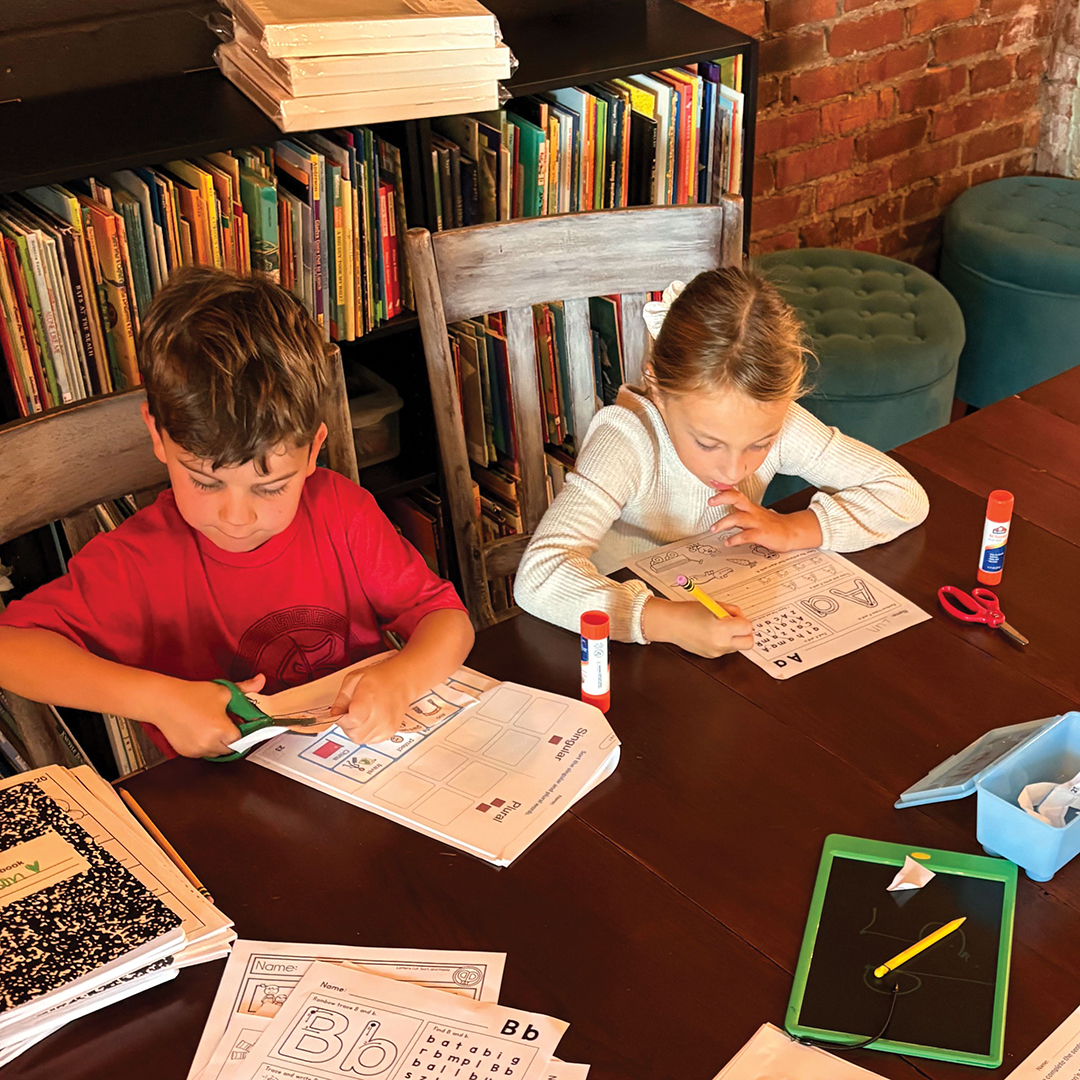
Each day at Heart Learning Collective involves art, choice time, outdoor play and science. Photos: Heart Learning Collective
The founders of Heart Learning Collective share a unique vision for education.
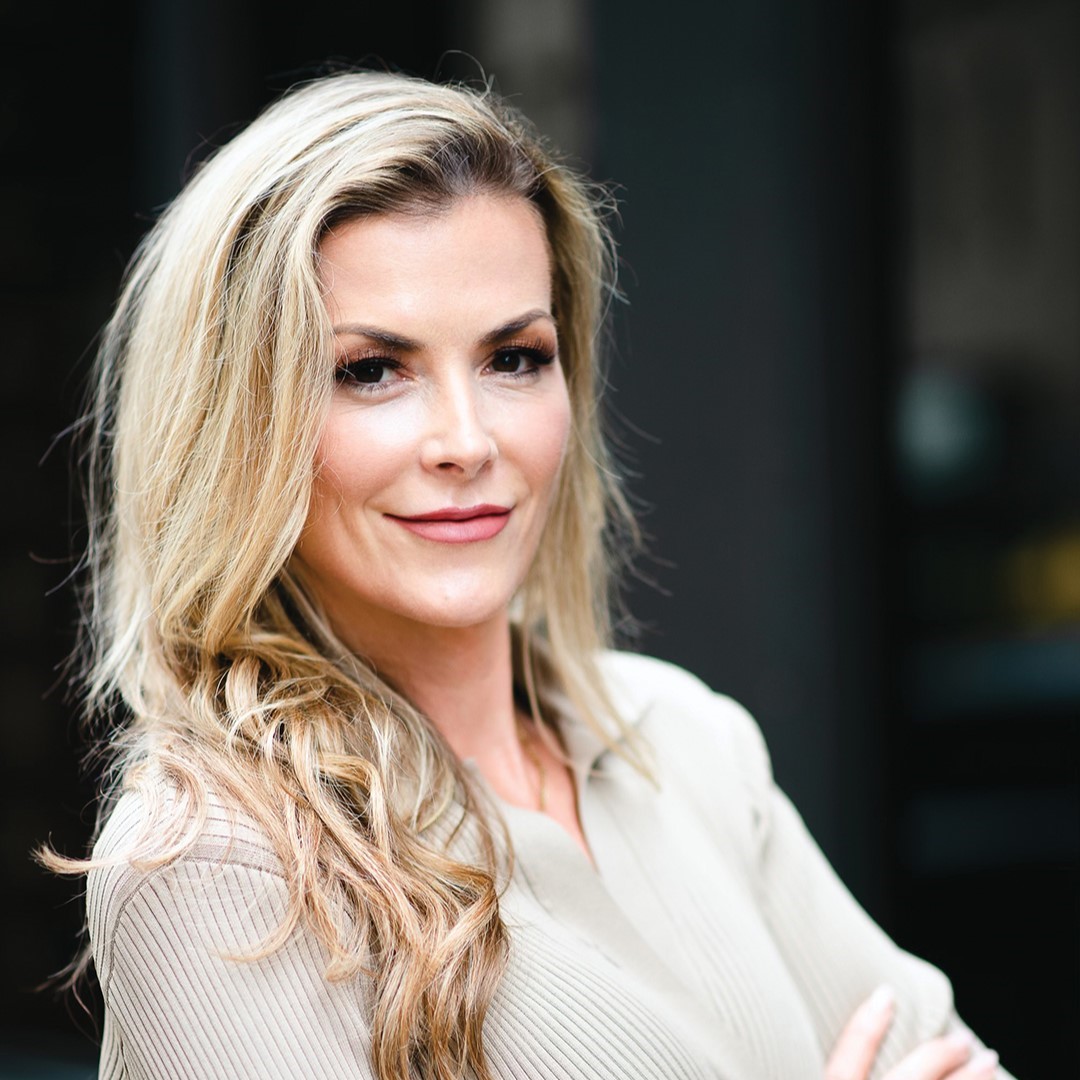
On the corner of Third Street and Clark Avenue in downtown White Bear Lake, sunlight pours through the tall windows of an old red-brick building. The space has held various businesses over the years, and today, it’s home to something entirely unique: Heart Learning Collective, a micro-school created by longtime educators (and colleagues and neighbors) Kathleen Amstutz and Tammy Morett.
“We offer a nontraditional learning environment for families who are just looking for something new and different for their students,” Amstutz says. She and Morett spent their entire careers in special education—17 years for Amstutz and 28 for Morett—and it was during their years co-teaching in the South Metro in ISD 196 that the idea for a different kind of school began to take shape. Over the years, they’d connected with many families who found traditional school environments challenging for their kids and wondered if they could help. Last year, Amstutz and Morett decided to take the plunge and leave their public school jobs to launch their passion project at home in White Bear Lake.
Their vision looks a little like a modern twist on a one-room schoolhouse. “We have students of all ages, kindergarten through fifth grade, in a shared space. Our older kids get to help our younger kids, and our younger kids learn from our older kids. It’s just a really fun environment to be in,” Amstutz says. Heart Learning Collective began the 2025–26 school year with four students and has since grown to eight. As of this writing, enrollment remains open, and the school accepts students throughout the year.
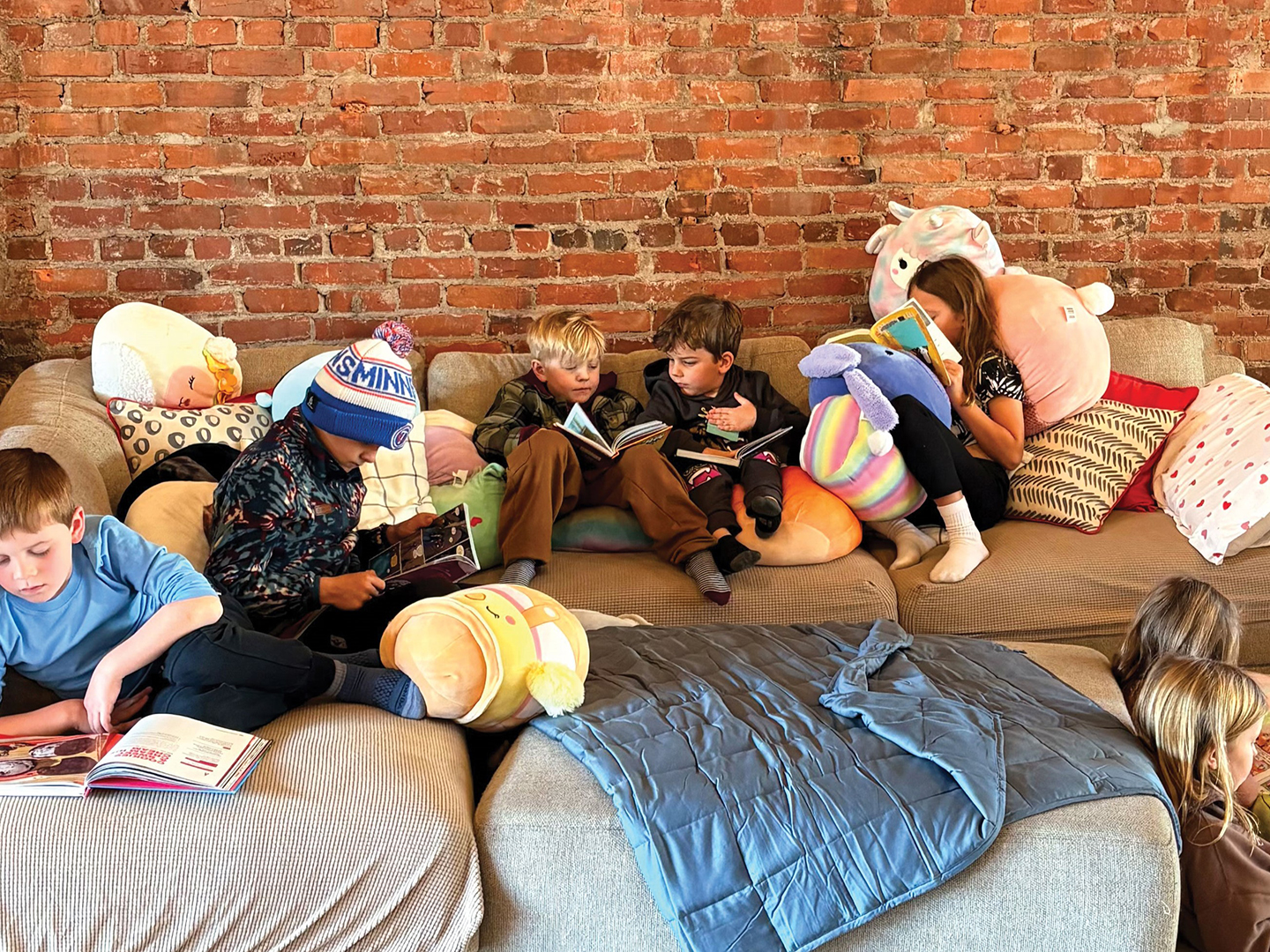
Students from kindergarten through fifth grade are able to learn with and from each other in an encouraging environment.
At Heart Learning Collective, there are no desks and very little technology. “There’s a lot of movement and a lot of flexibility in how the students want to learn,” Morett says. That flexibility allows her and Amstutz to meet the needs of each student; neurodivergent kids and others with special needs are supported seamlessly in the integrated classroom.
School days begin slowly, with time to settle in, socialize or finish projects. A morning meeting follows, then small-group instruction based on ability, rather than age. “They’re getting one-on-one time with teachers throughout their entire work time,” Amstutz says. Afternoons are filled with art, choice time, outdoor play and science—including daily scooter rides or walks to the park. “Our students are so incredibly happy here,” Morett says. “They run to the doors every single morning.”
That feeling carries over to students’ families. “The parents have been so amazing and supportive. They understand and appreciate our vision,” Morett says. Word continues to spread from the small group of original families, and Amstutz and Morett anticipate gradually expanding Heart Learning Collective to include upper grades as current students grow, and additional teachers to accommodate a higher volume of kids.
For Amstutz and Morett, it all comes back to kids being allowed to be kids—something they say can get lost in a traditional school environment. “Here, students get to touch the materials, get dirty, be outside and do things that children should be able to do,” Amstutz says.